Load cells are the core parts of industrial weighing and process control. They turn force into signals we can measure, which helps keep production lines, inventory tracking, and safety systems accurate. Picking the wrong type can lead to costly mistakes, sudden shutdowns, and unsafe situations. You need clear info on four main kinds: single point, shear beam, S-beam, and compression. Each has its own way of working and strengths for different jobs. This article looks at how they work, how tough they are, and where they fit best. By the end, you will have a simple guide to choose the right load cell for your needs, avoiding guesswork and boosting performance.
Key Takeaways
Single point load cells work best when weight is placed off-center on small platforms, so they are perfect for bench scales and checkweighers.
Shear beam load cells can handle side forces well. They work great for weighing tanks, hoppers, and silos in tough conditions.
S-beam load cells can measure both pulling and pushing forces, making them useful for hanging scales and testing materials.
Compression load cells are built to handle heavy, steady loads, like the ones found in truck scales and silos, offering high capacity and long-lasting strength.
Pick a load cell by checking its capacity, accuracy, environment, and how it will be mounted, so it works reliably.
Single Point Load Cell: Design and Applications
Working Principle and Key Features
A single point load cell uses parallel beam construction with carefully placed flexure sections. These flexure sections and strain gauge positioning work together to cancel the moment, or torque, generated when you place a load off-center. This internal geometry ensures the electrical output stays consistent no matter where the load sits on the platform. You get accurate weight readings without signal variance. The cell compensates for uneven force distribution that would normally cause errors in simpler designs.
This design offers several key benefits for your weighing applications:
You can build a scale with just one cell instead of using multiple cells at each corner. This approach simplifies your design and lowers costs significantly.
The cell delivers excellent off-center loading performance, allowing accurate weighing regardless of load position on the platform.
You get high repeatability and linearity with fast response times, making the cell ideal for dynamic processes like check-weighing.
Manufacturers produce these cells in various constructions suitable for washdown environments. They offer long service life and low maintenance, resisting dust, water, and corrosion over long periods of continuous use.
Typical Uses and Capacity Range
Single point load cells fit naturally into bench scales, high-speed check-weighers, and multi-head packaging machines. Their compact design and single-cell installation make them a cost-effective choice for original equipment manufacturers. You eliminate the need for multiple sensors and summing junction boxes. The cell handles both static and dynamic weighing tasks with ease, even in high-speed production environments.
Capacity ranges vary widely to match your application needs. Small models start around 1 to 10 kg for light-duty bench scales and laboratory instruments. Medium-capacity options cover 65 through 500 kg for larger platforms and packaging lines. The highest capacity single point load cells reach 500 kg for heavier applications.
Manufacturers offer analog cell lineups tailored to these capacity points and environmental conditions. Precision-engineered construction delivers stable mV/V signals for consistent accuracy over time. You gain simple installation, long service life, and low maintenance requirements. Whether you build a packaging line or a laboratory scale, this design provides a reliable foundation for accurate force measurement.
Shear Beam Load Cell: Robust Solutions for Vessels
Mechanics of Shear Stress Measurement
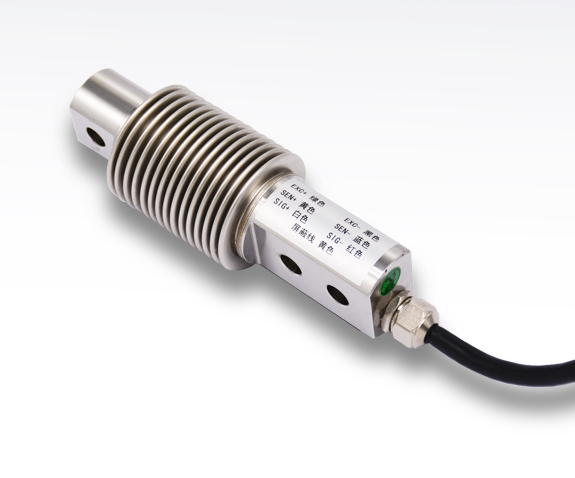
Shear beam load cells measure force by detecting shear stress instead of bending. The cell uses an I-beam shape that spreads shear stress evenly across its cross-section. Strain gauges are positioned to detect this shear stress directly. This design is very different from bending beam sensors. Since it measures shear rather than flexure, the structure handles side forces much better. You get stronger resistance to side loads that would otherwise ruin readings in heavy industrial use.
The tough build offers several real benefits:
Made from strong metals like steel or aluminum, the cell handles side and twisting forces without bending out of shape.
The design stays accurate under uneven loads and harsh conditions, including surprise side impacts.
Modern engineering uses computer modeling to improve shape and stress flow, boosting linearity and cutting sensitivity to off-center loads.
This method also stays steady during dynamic conditions. Low drift, little creep, and temperature controls protect measurement accuracy during force surges. You keep stable calibration even in nonstop use. The dual-support mounting setup, where the cell rests on two ends with load in the middle, adds strong resistance to side forces. This setup matters when vessels shift or settle during operation.
Industrial Applications and Installation Tips
Manufacturers make shear beam load cells from stainless steel with welded seals, offering IP68-rated protection against dust and water. You can install them with confidence in chemical plants and food facilities where washdowns and harsh chemicals happen daily. The sealed build stops moisture from reaching internal strain gauges, keeping long-term accuracy.
Common uses include tank weighing, hopper scales, and vessel monitoring systems. You also see these cells in silo weighing and process batching work. Capacity ranges go from 5,000 pounds to over 200,000 pounds, fitting medium to very high capacity needs without losing precision. Combined error rates of ±0.02% or better give reliable measurements for quality checks.
Proper mounting is key for accurate performance. You must place the cell on a flat, rigid surface to avoid uneven stress. Use expansion assemblies to handle thermal growth in vessels that face temperature shifts. These parts allow horizontal movement while keeping the vertical load path steady. Without them, expanding tanks can create side forces that distort readings. You should also think about surge protection outdoors where lightning is a risk. Regular calibration checks help maintain accuracy over time, though the strong design cuts downtime and reduces how often you need to calibrate compared to weaker options.
S-Beam Load Cell: Versatile Tension and Compression
An S-beam load cell has a body shaped like the letter S. This balanced design lets you measure force in two directions. You can use it for both pulling and pushing without adding extra parts. The threaded holes on each end make setup easy. You attach eye bolts or rod ends directly. This lets you pull or push the cell along its sensing path.
Dual-Action Capability and Design
The S-shape is not just for looks. It creates a small body that fits into tight spots. This shape gives correct readings for steady and changing loads. The strain gauge setup inside reacts the same to tension and compression. The balanced structure keeps readings exact in both modes.
Manufacturers build S-beam load cells for long-lasting use. The stainless steel body handles rough conditions. These cells work well with rod-end bearings for flexible mounting. You get a dependable tool for measuring both pull and push forces. However, they are sensitive to off-center forces, so careful mounting is required. This makes them a great pick if your work changes direction often. One load cell can take the place of two separate sensors for tension and compression.
Common Applications and Selection Criteria
You find S-beam load cells in hanging scales, crane scales, and material testing machines. They do well at measuring cable tension and watching hoists. The in-line setup makes them perfect for these jobs. When you choose one, think about your main need. Do you need both tension and compression? The S-beam handles both with great accuracy.
Cost is another thing to consider. They are affordable and simple to install. You can have them working fast. This flexible load cell makes your inventory simpler. But you must be careful about extra loads. They need a clean in-line connection to stay correct. Side loads or twisting forces will mess up the reading. Manufacturers offer S-beam choices that fit these needs. They give long-lasting performance and simple hookup with your current equipment.
Compression Load Cell: High-Capacity Force Measurement
Design for Heavy-Duty Compressive Loads
Compression load cells are engineered to handle large downward forces. They use a robust sensing element that converts compression into a precise electrical signal. This simple yet tough build makes these cells a strong option for industrial weighing.
Industrial Use Cases and Mounting Strategies
You will find compression load cells in silo weighing, truck scales, and heavy process vessels. Proper load introduction is critical for accurate readings. You must ensure the load applies straight down through the center of the cell. Use a flat, rigid mounting surface to prevent uneven stress distribution. Steel base plates help spread the force evenly.
Outdoor installations require electrical protection. Surge suppressors guard against voltage spikes from lightning strikes. Proper grounding provides a safe path for fault currents. Cable protection prevents damage from routing and strain. EMI shielding reduces electrical noise that could distort your readings.
This careful approach ensures reliable, accurate force measurement for years of service.
How to Choose the Right Load Cell
Key Selection Factors to Consider
Picking the right load cell starts with four main things: capacity, accuracy, environment, and mounting limits. Each one changes your choice in its own way.
Capacity is your first check. Many people pick a cell that fits their biggest steady load. That plan fails. You must add in tare weight, moving forces, and safety room to prevent overload.
Accuracy needs change by job. Key specs include linearity, repeatability, hysteresis, and zero balance. Consult relevant standards for trade applications.
Environment decides material and sealing choices. Moisture and washdown areas require adequate sealing; consult manufacturer guidelines for protection levels. Temperature changes can cause drift, so consider temperature compensation features.
Mounting limits affect how many cells you need and where they go. The number and placement of load cells depend on the platform geometry and load distribution. Hanging loads need S-beam setups. Low-profile heavy loads need pancake compression designs.
A Step-by-Step Decision Framework
Use this step-by-step plan to match your job with the right sensor:
Set accuracy needs: Name the accuracy class and any legal rules for trade use.
Map the physical setup: Find platform shape and support points before counting cells.
Check load traits: Figure out expected load spread, including off-center or moving loads.
Pick capacity with safety room: Match each cell's rated capacity to expected local loads. Avoid too big, which cuts sensitivity, and too small, which risks damage.
List environmental needs: Set temperature range, IP rating, and rust resistance needs.
Choose redundancy policy: For safety-critical systems, plan for one extra cell beyond your needed count.
Check fit and budget: Verify controller fit and set aside funds for calibration and spare parts.
A quick rule guides most picks. Single point cells fit small platforms and packaging lines. Shear beam cells handle tanks, hoppers, and silo weighing. S-beam cells work for hanging scales and tension checks. Compression cells support heavy static structures like truck scales.
Material choice matters in rough settings. Stainless steel is recommended for chemical and food areas. For outdoor setups, surge protection and good grounding guard against lightning harm.
Consult with load cell manufacturers to find the right sensor for your needs, ensuring accuracy and long life for your exact use.
Each load cell type has its own job. Single point cells are great at measuring off-center loads on small platforms. Shear beam cells keep tanks and vessels steady. S-beam cells can measure both pulling and pushing forces. Compression cells handle very heavy static loads in silos and truck scales.
Your choice depends on what your application needs. There is no one-size-fits-all answer. Look closely at your working conditions. Think about capacity, accuracy needs, and how you will mount the cell. For tricky setups, ask experts for help. Engineers can find the right load cell for your exact process.
Accurate force measurement boosts efficiency and safety in modern industry. Picking the right sensor now helps you avoid expensive downtime later.
FAQ
How do I know if I need a single point or shear beam load cell?
Think about your platform size and shape. Single point cells work best for small platforms where loads land off-center. Shear beam cells suit larger vessels, tanks, and hoppers. If you weigh items on a compact bench scale, choose single point. For silo monitoring, pick shear beam.
Can one S-beam load cell measure both tension and compression?
Yes. The S-shape design handles pulling and pushing forces with equal accuracy. You mount the cell with rod-end bearings or eye bolts on each end. This dual-action capability makes S-beam cells versatile for hanging scales, crane monitoring, and material testing machines.
What protection rating do I need for washdown environments?
Choose load cells with IP68-rated welded sealing for food processing or chemical plants. This protection stops water and dust from reaching internal strain gauges. Stainless steel construction adds corrosion resistance.
Why does my load cell reading drift over time?
Temperature changes cause most drift issues. Moisture intrusion also affects readings. Check your mounting surface for flatness and ensure proper torque on all bolts. Regular calibration checks catch small errors before they become costly problems.

